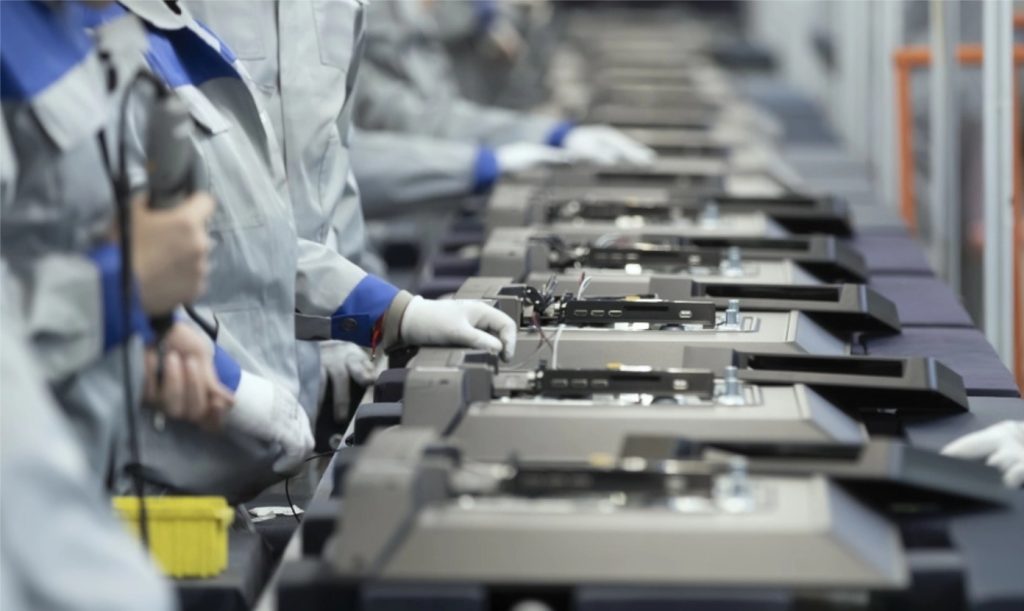



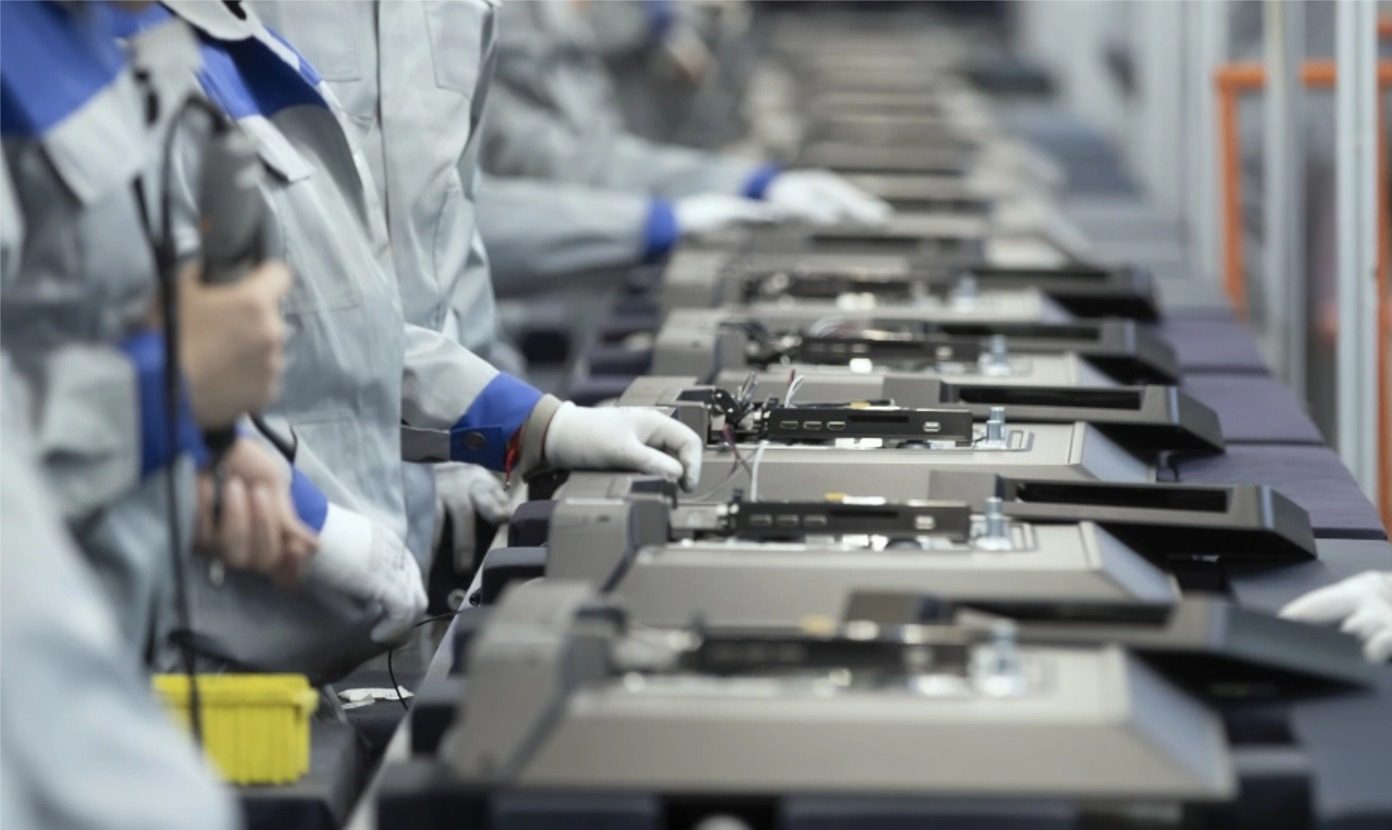
Amy is an HR manager at a telecommunications manufacturing company based in Jiangsu Province, with nearly 1,000 employees, more than 60% of whom work on the production line.
Last winter, she was concerned about the participation results of the company's annual health checkups. The company had spent over ¥ 300,000 to provide health checkups for all employees, yet fewer than 40% actually attended. The rest either found it too troublesome to take time off or felt that "the checkups aren't really worth it."
Her manager asked, "Was this money really well spent?"
She didn't know how to answer.
This situation is likely familiar to many HR professionals. Among all employee benefits, health checkups are one of the most fundamental, yet they are also one of the easiest investments to become underutilized. For manufacturing companies with a predominantly blue-collar workforce, making employees genuinely feel cared for while staying within budget remains an ongoing challenge for many HR leaders.
Why Weren't Employees Buying Into It?
The reasons behind this challenge are not complicated. With demanding production schedules and the inconvenience of taking leave or swapping shifts, many frontline workers felt that taking time off solely for a health checkup simply wasn't worth the effort, so they chose to skip the benefit altogether. At the same time, many blue-collar employees had limited awareness of preventive healthcare and did not fully understand the value of routine health screenings. To many of them, the company's annual investment in health checkups seemed far less valuable than receiving gifts or other tangible benefits instead. Management was equally dissatisfied. They felt that the existing health screening packages offered limited value, and despite the company's investment, employees still didn't appreciate the benefit.
Neither side was satisfied.
Making Benefits Tailored and Accessible
The core issue wasn't the size of the budget—it was the disconnect between the benefits program and employees' actual work schedules and lifestyles. To address this challenge, the CDP team redesigned the entire health benefits program around two key principles: making benefits both tailored and accessible.
- Employees can schedule their appointments directly through the WorkLife platform, with partner health screening providers available across major cities nationwide. Health checkup packages are tailored to different age groups, while employees can also choose optional add-on services based on their individual needs, ensuring the budget is spent where it delivers the greatest value.
- Recognizing that many employees were unfamiliar with the available health screening packages and optional services, the CDP project team organized dedicated information sessions to explain common health risks and the purpose of each screening item in clear, easy-to-understand language. Around 80% of employees attended these sessions, and many said it was the first time they truly understood why those tests mattered.
- To avoid disrupting production and minimizing the inconvenience for frontline employees, the CDP project team arranged shuttle buses to transport employees to and from the health screening centers on weekends. Employees could travel directly from the factory to the screening center without worrying about transportation or taking time off work. While this may seem like a simple arrangement, it addressed one of the biggest barriers for production-line employees: health checkups no longer competed with their work schedules, making employees far more willing to participate.
- Each employee also received one year of access to online AI-powered medical consultation services. Through the Future Doctor feature integrated into WorkLife, employees can seek medical advice anytime, 24/7. With just a few taps on their phones, they can connect with physicians from leading hospitals without having to take time off work, visit a hospital, register, or wait in long queues. For frontline employees with busy schedules, even minor health concerns can now be addressed quickly and conveniently from anywhere.
Controllable Costs, Greater Employee Satisfaction
After the program had been in place for some time, the results became clear. Employees began actively participating in the health checkup program. Rather than being a one-sided expense for the company, the benefit became something employees were willing to talk about and use it. The HR team also saw significant improvements. They no longer had to rely on paper-based tracking or spend hours following up with employees individually. Participation status and progress could be monitored easily through the system, eliminating much of the administrative workload and the need for constant reminders.
Amy said that when she presented this year's benefits budget, she was finally able to tell her manager with confidence, "The investment was worthwhile because our employees truly benefited from it." Looking ahead, new services—including a health marketplace, an online pharmacy, and Employee Assistance Programs —can be added gradually, transforming the solution into a comprehensive, one-stop employee health platform.
Insight: Great Benefits Aren't About Spending More —They're About Being Useful
This case comes down to one simple takeaway: the most effective employee benefits aren't necessarily the most expensive ones—they're the ones employees can actually use. When employees no longer have to take time off for health checkups, have access to medical consultations anytime through their phones, and can conveniently travel to screening centers with company-arranged transportation, they naturally recognize the company's genuine commitment to their well-being. As a result, the company's investment is transformed into meaningful employee care.
For manufacturing companies, this case offers a valuable lesson. Improving employee benefits doesn't always require a larger budget. More often, it requires rethinking the employee experience from their perspective. By replacing one-size-fits-all programs with services that are practical, accessible, and aligned with employees' real needs, companies can ensure every dollar invested delivers meaningful value for both employees and the organization.